
(PUEBLO, Colo.) — The Pueblo Department of Public Health and Environment (PDPHE) is warning about the increase in wildlife and insects that can carry potentially fatal diseases.
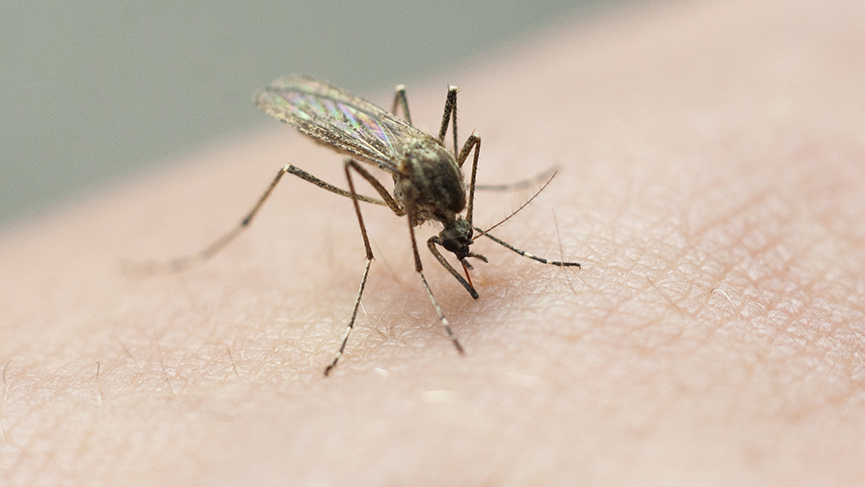
Health officials said Pueblo County received higher levels of rain this year than normal, which is creating conditions for mosquitoes, fleas, and rodent populations to increase. As a result, transmissible diseases carried by these wildlife and insects can also increase.
“Summertime is when more people are outdoors, enjoying barbecuing, fishing, camping, and gardening. As you are outdoors this summer, please take steps to protect yourself and your pets against serious summertime diseases,” said Alicia Solis, program manager at PDPHE.
Tularemia and Plague
Solis said tularemia and plague are typically found in wildlife, especially rabbits and prairie dogs. These diseases can be passed to humans and animals through the bite of an infected insect, such as ticks, fleas, and deer flies, and by handling infected, sick, or dead animals.
Tularemia is a bacterial infection commonly infecting rabbits.
“In previous years, we have seen tularemia widespread in rabbits in Pueblo West,” explained Solis.
Plague is a potentially serious illness, usually passed from animal to animal by infected fleas, and has a devastating effect on prairie dog colonies. The hungry fleas, having lost their normal hosts, seek other sources of blood, increasing the risk to humans and other animals frequenting the area.
“It is important for pet owners to keep their animals from roaming free as they can be exposed to tularemia and plague,” stated Solis. “Ensure your pets have flea and tick protection. Do not let them eat dead animals. If your pet stops eating or drinking or develops other symptoms, take the pet to the veterinarian promptly.”
Symptoms of tularemia and plague in humans usually occur two to seven days after exposure and may include:
Sudden fever
Chills
Headaches
Muscle aches
Cough
Progressive weakness
Other symptoms of tularemia and plague depend on how a person was exposed to the bacteria.
Tularemia is not spread from person to person. Health officials said people who have been exposed to tularemia or plague should be treated as soon as possible as these diseases can be fatal if not treated with the right antibiotics.
Public health recommends people follow some tips to keep themselves safe:
Avoid all contact with wild animals; do not feed or handle them.
Never touch sick or dead animals with your bare hands. If an animal must be moved, use a long-handled shovel to place it in a garbage bag. Place the bag in an outdoor garbage can and then wash your hands.
Wear gloves and closed-toe shoes when gardening.
Do not mow over dead animals.
Avoid ticks and fleas. Wear insect repellent containing DEET or treat clothing with repellent containing permethrin, especially if in rodent-infested areas like prairie dog colonies.
Avoid drinking unpurified water from streams or lakes and prevent your pets from doing the same.
Apply flea/tick protection to pets.
Prevent pets from hunting or eating wild animals.
West Nile Virus
West Nile Virus (WNV) is most commonly spread to people by the bite of an infected mosquito, mosquitoes become infected when they feed on infected birds.
PDPHE said “WNV typically occurs in the summer months, though it depends on climate and weather conditions. Most people infected with WNV do not experience illness, however, 1 in 5 infected people will have a fever illness that is like the flu. Serious WNV infection of the brain or tissues around the brain can occur in about 1 in 150 infected people; those most at risk are people aged 60 years and older or those with diabetes, kidney disease, or weak immune systems.”
Health officials suggest individuals follow the four D’s:
Drain and eliminate standing water
Dusk and Dawn, avoid outdoor activities during the time when mosquitoes are most active
Deet, Picaridin, IR3535, and oil of lemon eucalyptus are effective ingredients to look for in insect repellents
Dress in long-sleeved shirts, pants, shoes and socks when outdoors during periods when mosquitoes are most active
Hantavirus
Public health said Hantavirus can cause serious pneumonia, damage to organs, and even death. It is carried by rats and mice and is most commonly spread to people by inhaling dust contaminated with rodent saliva, urine, or droppings.
“Initial symptoms include fever, chills, severe muscle pain, headache, stomach pain, vomiting, and diarrhea. These symptoms are followed by progressively worsening cough and difficulty breathing due to fluid buildup in the lungs,” said PDPHE. “People with hantavirus infection need to be hospitalized, often in an intensive care unit. Delayed care can result in death.”
Health officials said to follow these steps to reduce the chances of being exposed to Hantavirus:
Avoid contact with wild rodents, including squirrels. Do not feed or handle them.
Prevent rodent infestations around your house:
Clear plants and materials away from outside walls.
Reduce outdoor access to food items.
Keep garbage cans tightly sealed.
Fill structural holes in homes or buildings on your property with wire screening, steel wool, or cement.
If you need to enter a building (such as a garage, shed, cabin, or barn) that has been infrequently used or has a rodent infestation:
Wear a mask and gloves.
Open all doors and windows in the building for 30 minutes and leave the area during this time.
Do NOT sweep or vacuum up mouse or rat urine, droppings, or nests. This can increase your risk of inhaling the virus.
Spray areas where urine, feces, and dust have accumulated using one of the following preferred disinfectants: General-purpose household disinfectant cleaning product (confirm the word “Disinfectant” is included on the label), or a bleach solution made with 1.5 cups of household bleach in 1 gallon of water (or 1 part bleach to 9 parts water). Make bleach solution fresh before use.
Use paper towels to wipe up the urine or droppings. Mop the area using the disinfectant.
Wash your hands thoroughly after cleaning or after any exposure to animal urine or feces.