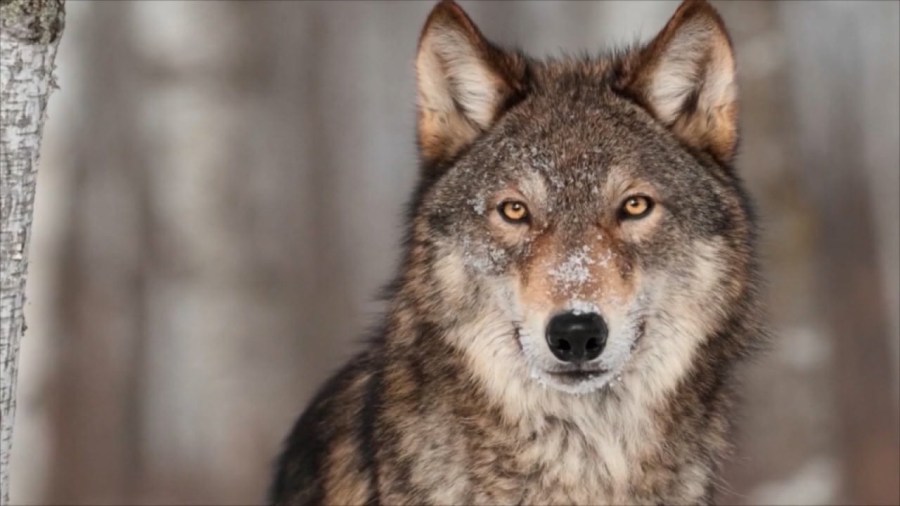

(COLORADO) — In the next few months, Colorado will once again be home to gray wolves. In 2020, the state voted to reintroduce wolves through the Colorado Wolf Restoration and Management Plan.
In a one-year agreement between Colorado Parks and Wildlife (CPW) and the Oregon Department of Fish and Wildlife, Oregon will source up to 10 wolves for the Colorado gray wolf reintroduction effort. CPW said these wolves will be captured and translocated between December 2023 and March 2024, but some Colorado ranchers are not pleased.
“I am absolutely opposed to wolf reintroduction,” said Janie VanWinkle, owner of VanWinkle Ranch. “It’s an allowance by the U.S. Fish and Wildlife Service that designates the population of wolves in Colorado as experimental or nonessential. So in other words, they’re not absolutely necessary for the recovery of the species as they’re listed as an endangered species.”
This Western Slope rancher said a new rule will allow ranchers to protect their cattle to a certain extent, though it’s not everything she hoped for.
“Now it doesn’t mean we can shoot on sight,” VanWinkle said. “We typically own and manage about 500 to 600 head of cattle.”
This rule states the Colorado General Assembly will set up a $ 350,000-a-year fund to pay ranchers who lose livestock to wolves.
“Creating the plan we wanted to make sure ranchers who have livestock, who might lose animals, could be fully paid back and reimbursed for their losses,” said Travis Duncan, Public Information Supervisor with CPW.
Wolves were killed off in Colorado by 1940, though a few have been recorded in the state since 2020. CPW said wolves will play a key role in keeping Colorado’s ecosystem in check as they help keep deer and elk populations in check.
“The plan calls for CPW to release 10 to 15 wolves per year for three to five years,” Duncan said.
A number of factors were considered in determining the best release sites. The wolves will be captured and released between Vail and Aspen. CPW said it is very unlikely Southern Colorado will see wolves.
“We looked at studies from Yellowstone and other areas where they did release and wolves traveled approximately 60 miles or so from these locations on average,” Duncan explained.
Area for consideration for wintertime releases of wolves. 60-mile buffers from neighboring states and tribal lands, and areas west of the Continental Divide are depicted.
CPW will begin capture operations in December, with Oregon wildlife officials providing some assistance by sharing wolf location information and best practices for wolf capture. CPW will be responsible for all costs associated with the capture and transport of wolves. CPW staff will work with contracted helicopter crews and spotter planes to capture wolves. The wolves will then be tested for disease at the source sites.
Colorado ranchers still fear the future and claim the effect of losing one of their own is greater than cash.
“It’s devastating, I mean mentally and emotionally it is absolutely devastating,” VanWinkle explained. “There is no compensation for that.”
CPW said the wolves would be collared before being taken to Colorado in aluminum crates by truck or plane.