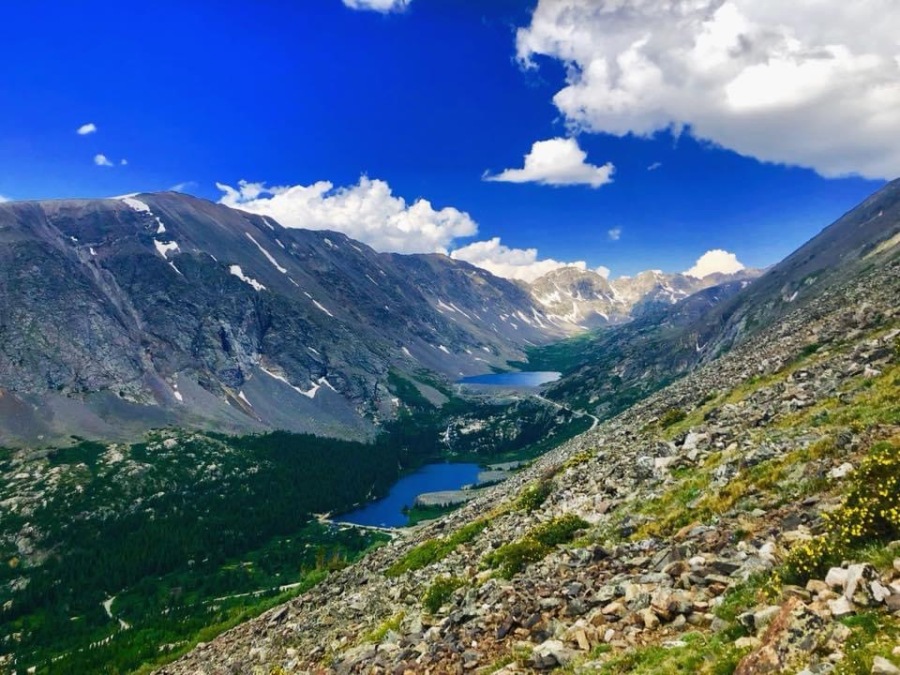

DENVER (KDVR) — June has arrived and that means many hiking enthusiasts will be packing up to head to the mountains to attempt a 14er.
Colorado has 58 mountain peaks that are 14,000 feet or more, otherwise known as ’14ers’.
As you prepare for the 14,000-foot climb, here are some important things to know:
1. Plan your route ahead of time
If you have decided that you want to attempt a 14er, you will want to plan your route ahead of time. Some climbs are more difficult than others. There is always the possibility that some trails are covered or buried in snow.
A great tool to help you decide which peak you are going to attempt and how difficult that peak will be is the “14er routes by difficulty” list on 14ers.com.
There are six different categories of climbs that range from the easiest at Class 1 to the most difficult at Class 4.
2. Tell someone where you’re going
Before you attempt climbing a 14er, make sure you tell someone. You will want to tell them the following:
Where you are going- providing specific coordinates is helpfulWhat time you are leavingHow long you expect it to take you to summitContact information
Most importantly, take someone with you while you are attempting to climb a mountain.
3. Have the proper gear
Having the proper gear while attempting to summit a 14er is crucial. It can be the difference between success and a failed attempt. It’s also important to expect the unexpected when hiking a 14er. Weather can change at a moment’s notice.
Here are some of the items you’ll want to have with you while hiking a 14er:
Hiking shoes/bootsHiking socksLayers of clothing: Light shirt, long sleeves, light jacket, rain poncho, sweatshirt, coat, leggings, hiking pants, shortsExtra pair of socksGlovesHat/BeanieSunglassesSunblockPlenty of water, a water bladderInhaler (if you have one)ChapstickHiking backpackWatch/Compass/Cell PhoneFirst Aid kitPortable phone chargerToilet paper
Don’t count on your cell phone. Expect your battery to die or your phone to not have service. Have a second form of satellite communication, like InReach.
14ers.com has an extensive list of gear.
4. Pack food
One of the most important things you will need to have with you is food. Many people take protein bars, trail mix and beef jerky. There is no such thing as too much food. Focus on carbohydrates and hydration. If you get injured or lost while hiking, food could be the difference between life and death.
The Next Summit created a long list of specific snacks to take along on your next hike.
5. Watch the weather and start early
Colorado weather can change in the blink of an eye, especially in the mountains. The rule of thumb when hiking Colorado’s mountains is to be off the summit by noon, when lightning storms can typically roll in. Starting your summit attempt early is important.
The first rule of lightning: Get to a lower elevation. This should be your first priority. In order to maximize your chances of surviving a nearby lightning strike, you need to stand in “lightning position” until the storm passes:
Keep away from anything metal that could be a conductor for electricityCrouch down, like a baseball catcherStand on the balls of your feet only, with your heels lifted off the groundMake sure your elevated heels are touching each other. In the event of a strike, electricity will travel in one foot and out the other, instead of throughout your bodyCover your ears and close your eyes to protect from the loud clap of thunder and bright flash of lightStay in the lightning position until you no longer feel threatened by lightning
Safety experts advise all visitors to the high country to be prepared for all weather conditions and follow recommended safety practices, like dressing in layers and never hiking alone.
Be sure to download the free Pinpoint Weather App to stay up-to-date with the newest data as it comes in.
6. Go at your own pace
There is no rule that says you must finish a hike at record pace. Attempting to summit quicker than you are capable could lead you to injury, exhaustion, and a failed summit.
7. Altitude
The Colorado welcome center said altitude sickness is brought on by a lack of oxygen to your body and a failure to acclimate to air that has less oxygen. It can be caused by going too high, too fast.
The Colorado visitor’s center shared the following tips:
Drink plenty of water; replenishing fluids helps to stabilize your body. You should do this a few days in advance as well.Take it easy; don’t over-exert yourself. Maybe start with a 10er, 11er, 12er or 13er first. Experts recommend eating a high carbohydrate diet while at altitude.Keep alcohol intake and smoking to a minimum.Remember that altitude sickness can affect anybody, even top-flight athletes.Most importantly: if you’re not feeling well, let someone know.
8. Stay on the trail
The trails were created as a guide to get you to the top of a mountain. Straying from those trails or attempting to take shortcuts could lead to injury or even death. Also, by sticking to the trails, you’re helping preserve nature.
9. Know your limits
If you are not feeling well, you get lost, or you are struggling with an injury, be prepared to call for help if you need to.
Have a COSAR card:
Get a Colorado Outdoor Recreation Search and Rescue Card:
If a search and rescue team incurs expenses during a mission, they don’t bill it to the person they
helped. They (or the county sheriff under whom they operate) absorb that cost. Buying a CORSAR Card helps ensure that a county sheriff and the SAR team are financially prepared for the next mission — just as they were ready to help you because previous people they helped had a card and the team’s expenses were reimbursed. This card allows the responders to apply for reimbursement of extraordinary expenses, but not the normal operating or routine mission expenses.
10. Leave no trace
The organization “Leave No Trace” was created to protect the outdoors. It provides education, skills, research and, science to help people care for the outdoors. A partnership with Leave No Trace and the Colorado Tourism Office, these are the principles created for our state:
Know before you goStick to trailsLeave it as you find itTrash the trashBe careful with fireKeep wildlife wildShare the trails and parks
One of the most widely-used tools for 14ers is 14ers.com. From trip reports, to a swap shop, a forum and trail conditions, the site has crucial information for hikers attempting to summit a 14er.