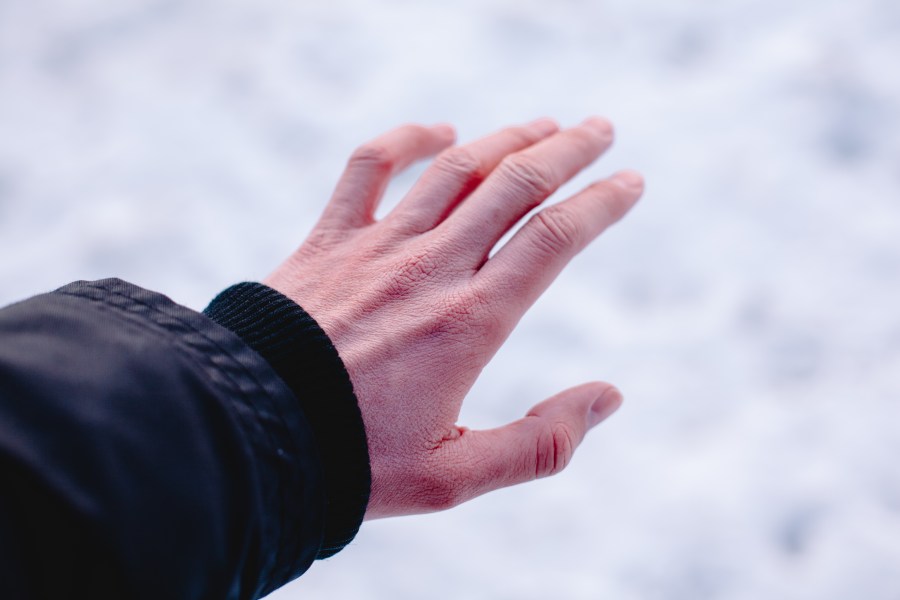

(COLORADO SPRINGS) — Dangerously cold temperatures are in the forecast for Southern Colorado, and with those temperatures comes the risk of preventable frostbite and cold-related injuries.
The temperatures will drop rapidly beginning on Saturday, Jan. 18, though the coldest air is expected on Monday and into Tuesday. Overnight temperatures are forecasted to be nearly 20 degrees below zero, with a high on Monday of only 2 degrees.
In temperatures like that, skin and underlying tissue can freeze, resulting in the condition commonly known as frostbite. With the temperatures expected on Monday and Tuesday, frostbite could easily happen in a matter of minutes, causing lasting damage to tissue that could become permanent if left untreated. While going outside during this arctic blast is not recommended, UCHealth provided some tips for what to do if you suspect you may have frostbite.
First, you should know the symptoms of frostbite, so you can intervene before lasting damage occurs–redness or pain in the affected area, white or grayish-yellow skin, firm or waxy skin, numbness, and in severe cases, blisters or blackened skin. If left untreated, frostbite can lead to long-term effects like nerve damage, muscle weakness, chronic pain, or even amputation.
The stages of frostbite
Frostbite doesn’t just happen instantly, there are stages that you can track to know when it is time to take action. Frostnip is the first stage, in which skin turns red and can feel numb, tingly, itchy or cold. Frostnip doesn’t damage the skin and can be treated by ceasing exposure to the cold, warming the area in warm water, and taking over-the-counter pain medication.
Superficial frostbite is the second stage, in which the skin will go from reddish to pale and might even appear blue. UCHealth said ice crystals might begin to form on the affected area, the skin might feel warm and the area might swell, which is a sign that damage to the tissue is occurring.
With superficial frostbite, within 12 to 36 hours after the area has thawed, the skin will typically form painful blisters. Although only the top layer of the skin is impacted during this stage, UCHealth said prompt medical attention is necessary to prevent further tissue damage.
Deep frostbite occurs when all layers of the skin are affected. The skin will turn bluish-gray, and the affected area may feel numb, with no sense of cold, pain or discomfort. If it’s deep enough, joints and muscles might be impacted. Within 24 to 48 hours after the area has thawed, UCHealth said large blisters will form, later turning black and hard as the tissue dies.
Severe cases of deep frostbite result in the tissue needing to be removed, which includes amputation.
What to do if you suspect frostbite
If you suspect frostbite, UCHealth’s Burn and Frostbite Center recommends:
Prevent additional exposure to the cold.
Rewarm the affected area in warm (not hot) water for 15–30 minutes.
Keep the affected area elevated to reduce swelling.
Take over-the-counter pain medication like ibuprofen if warming is painful.
Avoid walking on frostbitten feet or toes.
If the skin appears blue, bluish-gray, or blisters form when the area begins to warm, seek medical attention immediately.
Who is the most susceptible to frostbite?
Dr. Arek Wiktor with UCHealth explained that some people may be at a higher risk for frostbite, including:
Young children.
Older adults.
Homeless people.
People with circulatory problems.
People who are impaired by alcohol or drugs.
People who take medication for high blood pressure.
People who have diabetes.
People who have gotten frostbite before.
If you must go outside, UCHealth recommends dressing in warm layers, limiting time outdoors, and staying alert to the signs of frostbite.