
COLORADO SPRINGS, Colo. – As Colorado Springs grows, city leaders are considering ways to preserve the water supply for the future.
The city is currently undergoing a process to change or adapt zoning and municipal grows to better reflect the growth that is already underway and ensure it remains sustainable, particularly for the water supply, called Retool COS.
“Water is a very unique animal in Colorado,” said Patrick Wells, the general manager for water resources and demand management for Colorado Springs Utilities.
The process for Retool COS said the City’s current landscaping standards are “fairly vague and do not cover many of the topics included in many large city regulations”, but there are more than just clerical changes being considered for Colorado Springs.
“We’re really looking at those tools that allow us to stretch our water as far as we can while also providing that benefit to our outdoor-built landscape,” said Wells.
Wells has been working with the CSU Board of Directors, who double as the Colorado Springs City Council, about what those tools are and how they can help stretch the water supply.
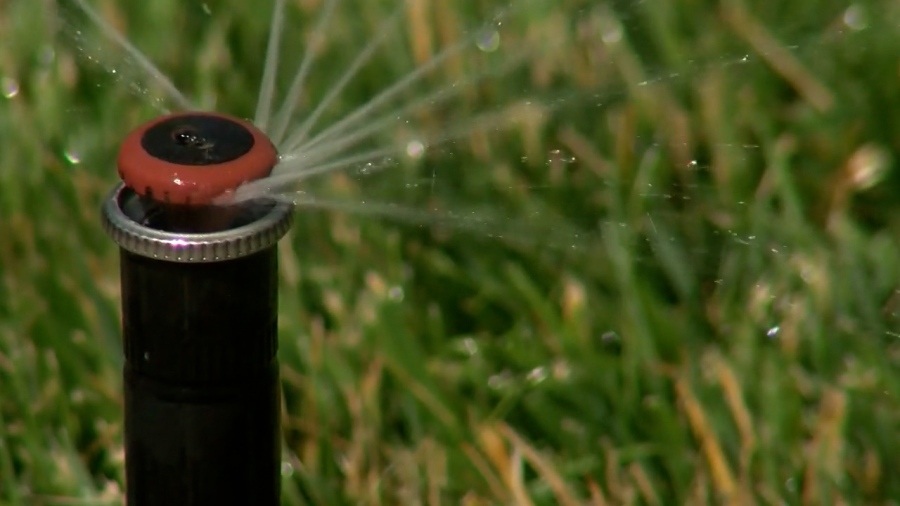
Over the last two summers, CSU has created “Water Wise” standards to limit watering lawns to three days per week. Wells reports a water savings of around 550 acre-feet of water or approximately the annual water use for more than 1,000- 1,500 thousand households.
The city has more intense watering restrictions, should the city’s water supply hit critical “trigger” points, but Wells and CSU believe there are steps that can be taken well before that kind of crisis unfolds.
Take residential and commercial zoning: The city is considering creating regulations to ensure new developments only use native grass seed as well as drought-tolerant trees and plants.
That can save water needed to water plants from wetter climates, and help ensure grass and plants don’t die shortly after being planted.
“Every bit of water that we can save can build a more reliable and more resilient system to not only help us meet future growth and future needs but also help us adapt to drought to help us manage water supply risks and to defer the supply projects we are planning to build in the future,” Wells said.
Drought-like scenarios are becoming more of the norm in the era of human-caused climate change Wells believes. Colorado’s snowpack plays a crucial role in water storage across the state and weather patterns have become more unpredictable, making forecasts more tough.
“We’ve been in persistent drought that’s lasted 20 years where only five of those 20 years we’ve seen above-average precipitation and snowpack, so that has factored in our planning,” Wells says.
The final version of what changes Retool COS will bring to Landscaping Standards in Colorado Springs is unknown, as the process will be finalized in early 2022.
The plan also comes as the City and CSU must create a Water Efficiency Plan by next year, a process required by the State. It means mapping out strategies to reduce water use, similar to Wells’ intention for the Retool COS suggestions.
The plan, that will be implemented over five to seven years, Wells says could mean saving more than 30,000 homes annual supply worth of water (11,000-13,000 acre-feet), on top of the nearly 21,000 homes (7,000-acre feet) that has already been saved.
Likely, the plan will encourage native plants and grasses, possibly even require them. Xeriscaping will also be encouraged, though Wells warns against a yard with nothing but rocks, as that can create drainage problems and amplify the head index.
“We don’t need to necessarily look like Tuscon or Albuquerque, we believe there is a nice balance that we can find,” Wells said.
The final public comment session for Retool COS took place on October 5th but the process now moves to the city’s Planning Commission and City Council, leaving several opportunities for further public comment.