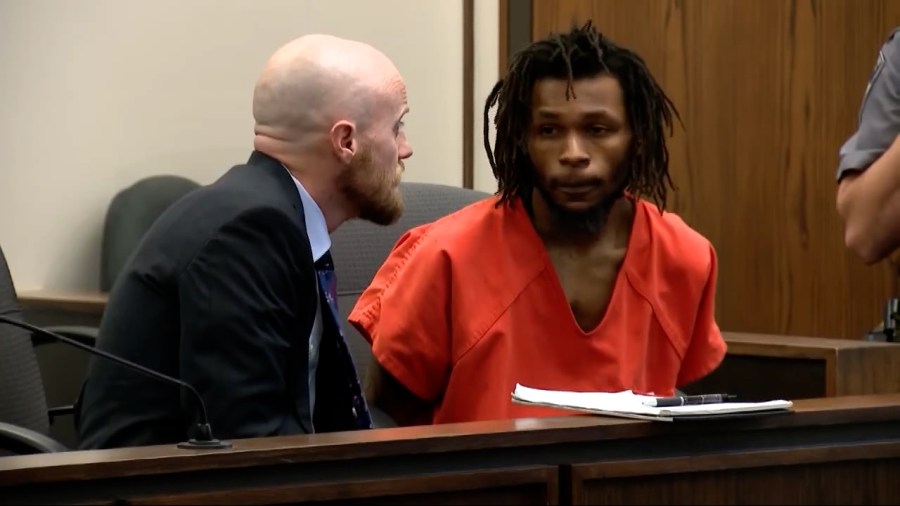

COLORADO SPRINGS, Colo. (KDVR) — Court documents show the suspect in the deadly campus shooting in Colorado Springs made a death threat against one of the victims weeks before the double homicide.
According to an affidavit for the suspect’s arrest, the university knew about the tension between the two. FOX31 looked into whether that could create any legal troubles for the University of Colorado Colorado Springs.
UCCS “is obviously a state school. That alone helps insulate them from any liability,” said David Lane, a civil rights attorney with Killmer Lane, LLP. “The 11th Amendment to the U.S. Constitution says state agencies and state people are not liable for money damages.”
Roommate tensions reported to UCCS
The newly released court document details what happened before the deadly shooting and the arrest of the suspect, Nicholas Jordan.
It reveals police were called at 6 a.m. by a student who woke up to the sound of gunfire in the room next door. Inside that room, officers found the bodies of Samuel Knopp and Celie Rain Montgomery. Both had been shot multiple times.
FOX31 learned from the affidavit that the student had told police Jordan was a problematic roommate. Both he and Knopp had complained about his cleanliness and his marijuana use.
In January, the school received three complaints about Jordan in a single day. This comes after an argument between Knopp and Jordan about taking out the trash.
According to the affidavit, Jordan threatened Knopp and said he would “kill him,” and there would be consequences if Jordan was asked to take out the trash again.
Liability in a killing: What the law says
If the university knew this before the killings, could it be held liable?
“When a third party is a wrongdoer, such as the shooter in this particular case, the police are not obligated to arrest someone based on a threat,” Lane said. “They’re not obligated to even investigate if they don’t want to. Bottom line here is that given the levels of immunities that exist both from the Supreme Court and the U.S. Constitution, I don’t think the university is going to be liable for any damages stemming from this unbelievably tragic incident.”
Court documents also reveal Jordan withdrew from the school about 15 hours before the shooting. According to police, the only key card not accounted for at the time belonged to him.
“They should have deactivated his keycard, but the fact that they didn’t, again, would not confer liability on the university,” Lane said. “All they are required to do is not violate your constitutional rights. If a third party is violating your constitutional rights, such as the shooter taking away your life, that’s on the shooter — not on the university.”
The judge set a $5 million bond for Jordan. He’s scheduled to appear back in court on March 15 for a status conference.
Castle Rock case set a precedent
Lane refers to a similar case that shows where the case law stemmed from.
“Interestingly, the case that’s most prudent for this came out the U.S. Supreme Court involving Castle Rock, Colorado. It’s where Ms. Gonzales had a restraining order against her ex-husband to stay away from her and her twin daughters,” Lane said. “The husband picks up the girls in violation of the restraining order. Ms. Gonzales calls the Castle Rock Police Department and is frantic, saying he is going to hurt them. The Castle Rock Police Department do nothing whatsoever about that, and later that night, the husband ends up dead with the two girls.
“She sues Castle Rock,” Lane added. “The U.S. Supreme Court says tragic, but all the cops are required to do is not violate your constitutional rights. You can not expect them or force them to do anything, despite the fact that it’s their job to serve and protect, et cetera. They have no liability other than if they violate your constitutional rights, and her constitutional rights were not violated by them.”