
DENVER (KDVR) — Lake Pueblo’s sandy flesh walleye aren’t the only fish anglers should avoid eating in Colorado.
A Colorado Parks and Wildlife report details a rare “sandy flesh” disease in the walleye in Lake Pueblo, urging fishermen not to consume any until further notice. The disease is not believed to be transmittable to humans, but CPW wants outdoorsmen to err on the side of caution and report any new fish with the disease.
There are fish consumption advisories in place for two dozen Colorado lakes and reservoirs.
The Colorado Department of Public Health and Environment deems most fish in Colorado’s hundreds of fishable bodies of water safe for the general public to eat in moderation. Where there are consumption advisories, most are specific to either children or pregnant women.
Fish advisories in Colorado
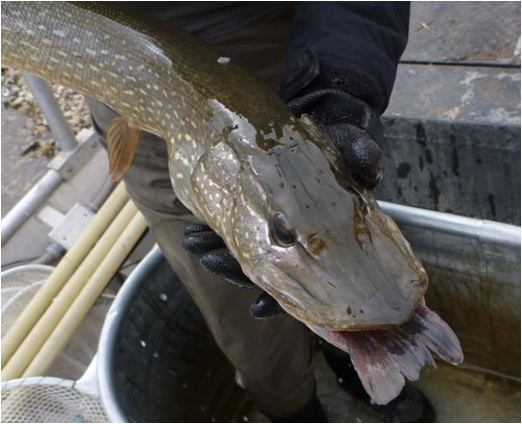
Two bodies of water, though, contain fish that the general public is advised not to eat at all. Anglers should not eat any walleye over 15 inches from Trinidad Reservoir or any walleye or northern pike of any size from Vallecito Reservoir.
The map below displays which bodies of water follow general fish-eating guidelines and which have extra advisories in place.
The bodies of water with additional restrictions include:
Berkeley Lake
Big Creek Reservoir
Brush Hollow Reservoir
Carter Lake
Cheesman Reservoir
Echo Canyon Reservoir
Elkhead Reservoir
Gross Reservoir
Horseshoe Reservoir
Kenney Reservoir
Lake Catamount
Lake Granby
Lonetree Reservoir
McPhee Reservoir
Milavec Reservoir
Narraguinnep Reservoir
Navajo Reservoir
Puett Reservoir
Purdy Mesa Reservoir
Rifle Gap Reservoir
Rocky Mountain Lake
Sanchez Reservoir
Stagecoach Reservoir
Totten Reservoir
Trinidad Reservoir
Vallecito Reservoir.
For a full list of restrictions and to which groups they apply, follow this link to the CDPHE website.
CDPHE shares more information about fish consumption and recommended guidelines on how much Colorado fish to consume.