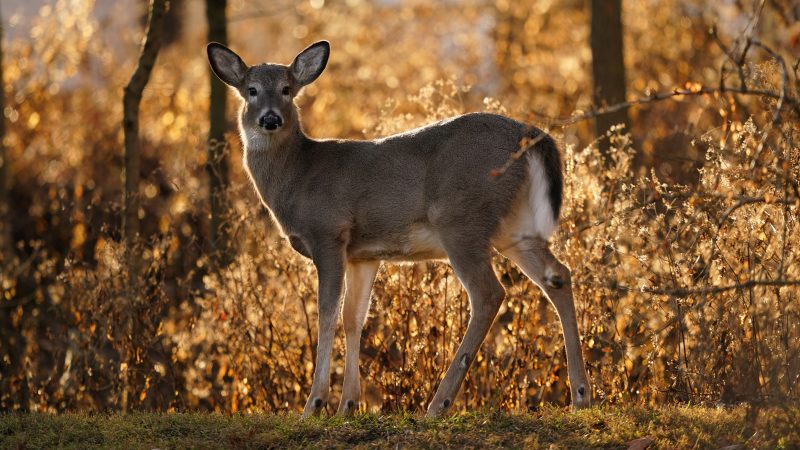

(COLORADO) — An unseasonably warm and dry start to November across Colorado is impacting more than just the snowpack; it’s also affecting wildlife behavior.
When snowfall is delayed in the high country, it influences when migrating animals such as elk and deer begin moving to lower elevations. John Livingston with Colorado Parks and Wildlife said, “When we don’t see snow falling in the high country, it really has an impact on when migrating animals such as elk and deer start that transition. We haven’t seen a lot of the elk coming down out of the high country yet. Once we do start to get a little bit more snowfall, that’s what eventually pushes a lot of those animals down out of the high country.”
The lack of early-season snow is also keeping bears active later into the year. Livingston noted, “We’re still seeing some bear activity all across the state. As long as food is available for bears, they’ll stay awake and keep packing on the pounds until the snow starts piling up and there’s really no food availability. They’ll keep awake trying to pack on the pounds, which makes it extra important for people to secure that trash, especially if bears are still active in residential areas.”
Livingston added that these changing patterns may be linked to Colorado’s warming Fall patterns. “It just seems like bears are more active later into the fall than they were in previous decades,” he said. “If we don’t get a great winter and things warm up, we see them coming out of their den sooner, too.”
Colorado’s wildlife behavior is closely tied to weather and seasonal patterns. As long as conditions remain warmer and drier than normal, animals are expected to continue adapting to the changing environment.