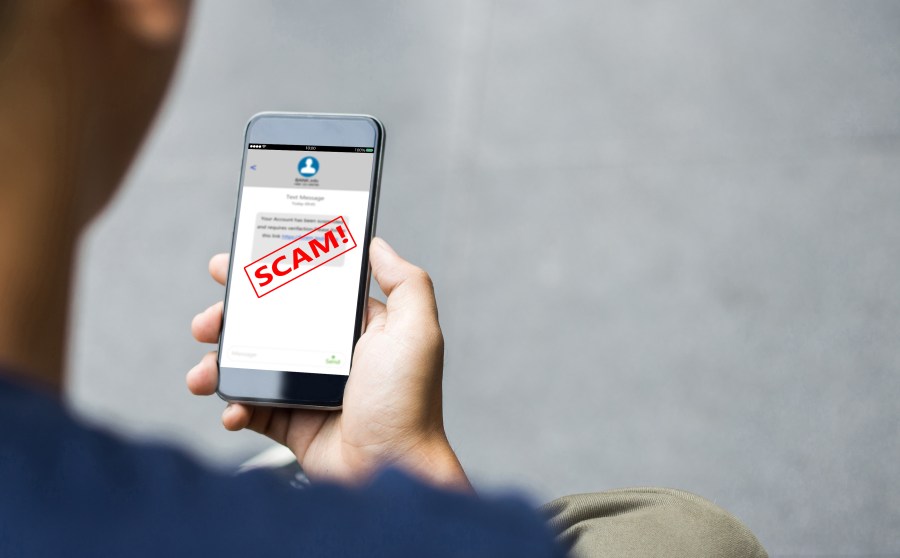

(COLORADO) — The FBI is warning of fake text messages that are attempting to scam drivers who use toll roads into sharing sensitive data, including credit card information.
The social media account for E-470 sent out the alert on X (formerly known as Twitter) on Monday, April 22 advising drivers in Colorado that neither E-470 nor ExpressToll collect any payment or personal information through text messages.
Since early March of this year, the FBI Internet Crime Complaint Center (IC3) has received over 2,000 complaints from three states reporting the “smishing” texts (short for SMS phishing), that falsely represent a road toll collection service. “IC3 complaint information indicates the scam may be moving from state to state,” warned the FBI.
Here’s what to look out for:
A person will receive a text from a road toll collection service that claims the recipient owes a certain amount of money for unpaid tolls.
The text will also include a link for the person to click on to settle their balance to avoid a late fee.
“The ‘outstanding toll amount’ is similar among the complaints reported to the IC3. However, the link provided within the text is created to impersonate the state’s toll service name, and phone numbers appear to change between states,” wrote the FBI.
Example of what the text may look like:
(State Toll Service Name): We’ve noticed an outstanding toll amount of $12.51 on your record. To avoid a late fee of $50.00, visit https://myturnpiketollservices.com to settle your balance.
Where to report:
If you receive one of these texts, the FBI suggests the following actions:
File a complaint with the Internet Crime Complaint Center (IC3).
Be sure to include: the phone number from where the text originated and the website listed within the text.
Check your account using the toll service’s legitimate website.
Contact the toll service’s customer service phone number.
Delete any smishing texts received.
If you clicked any link or provided your information, take efforts to secure your personal information and financial accounts, and dispute any unfamiliar charges.
To learn more about the scam and how to protect your personal information click the link above.