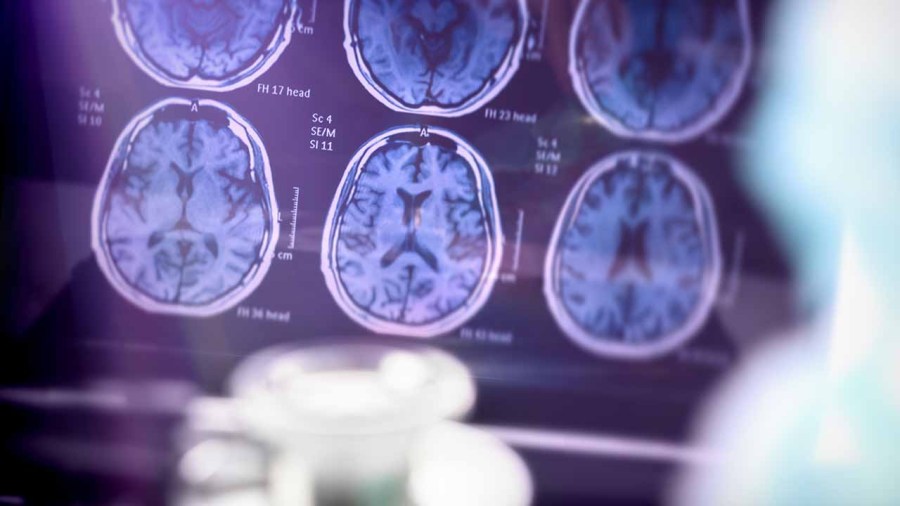

(NATIONAL) — A study made by the Alzheimer’s Association found wildfire smoke and dementia may be linked to each other a lot more than other forms of pollution.
The decade-long study of more than 1.2 million people in California suggests the brain health threat posed by wildfires is higher than other air pollution. Wildfire smoke, motor vehicles, and factories all emit a type of air pollution called fine particulate matter (PM 2.5).
Researchers found that the risk of dementia due to PM 2.5 wildfire smoke was stronger, even with less exposure and risks due to other sources.
“With the rising global incidence of wildfires, including in California and the western U.S., exposure to this type of air pollution is an increasing threat to brain health,” said Claire Sexton, DPhil, Alzheimer’s Association senior director of scientific programs and outreach. “These findings underscore the importance of enacting policies to prevent wildfires and investigating better methods to address them.”
High levels of PM 2.5 have been shown to raise the risk of heart disease, asthma, and low birth rate.
During the age of the study, researchers analyzed the health records of 1,227,241 people who were 60 years or older — none of whom had been diagnosed with dementia at the beginning of the study — at the end of it, they observed a 21% increase in the odds of dementia for every microgram and a 3% increase of dementia diagnosis.
According to the Alzheimer’s Association, 6.9 million people in the U.S. aged 65 and older are living with Alzheimer’s or another form of dementia. By 2060, that number is expected to increase to nearly 14 million.
“Previous research has found that exposure to PM 2.5 is associated with dementia, but in light of our large, long-term study, it’s apparent the risk from exposure due to wildfire smoke is an even bigger concern,” said Holly Elser, M.D., Ph.D., the study’s first author and a neurology resident at the Hospital of the University of Pennsylvania, Philadelphia. “Air pollution produced by wildfires now accounts for more than 70% of total PM 2.5 exposure on poor air quality days in California. This is a real problem.”
PM 2.5 might be more hazardous to health because they are produced at higher temperatures, contain a greater concentration of toxic chemicals, and are smaller than PM 2.5 from other sources.
So, what can people do to diminish the risk? According to the Alzheimer’s Association, people should update their home air filtration systems when possible, stay inside when the air quality is unhealthy, and wear an N95 mask outside when the Air Quality Index reaches 100.
For more information, click the link above.