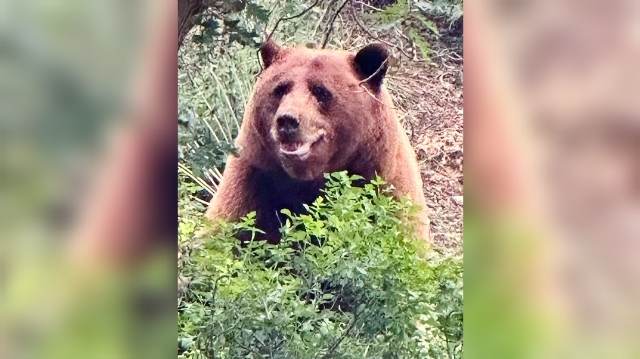

(TELLER COUNTY, Colo.) — Colorado Parks and Wildlife (CPW) is asking the community to follow “Bear Aware” practices after a large black bear was spotted bloated on garbage in Teller County.
CPW posted about the bear on Twitter on Tuesday, July 18, and said the attached photos were sent in by a community member in Teller County a week prior.
CPW said a healthy black bear typically eats 90% grasses, fruits, nuts, and plants, and they occasionally eat meat. A healthy bear weighs around 150-200 pounds, CPW said.
So why is this bear so bloated? CPW said it is due to the bear gorging itself on human food waste.
CPW asked the community to help them keep bears wild, and to ensure wildlife is safe and healthy by bear-proofing your home or business, and following “Bear Aware” practices.
Being Bear Aware:
Never leave trash out overnight.
Putting your trash out the morning of pickup cuts the chances of a bear encounter from 70% to 2%.
If you must leave trash outside, buy bear-proof containers or secure containers in an enclosure.
Hang bird feeders during months that bears are hibernating, not when they are active
Burn food off grills and clean after each use.
Keep all bear-accessible windows and doors closed and locked, including home, car, and garage.
If you see a bear, do your best to chase it away by yelling, blowing a whistle, clapping your hands and making loud noises.
CPW has a helpful brochure for living with bears, which you can find here.
CPW also recommends safe hiking and camping practices, including stashing your trash, and keeping a clean campsite. Learn more about camping and hiking bear safety here.
Bears should never become comfortable around humans, and once they do, the likelihood the bear may have to be euthanized increases. The best way to protect yourself and Colorado’s precious wildlife is by respecting their space, and keeping them wild.