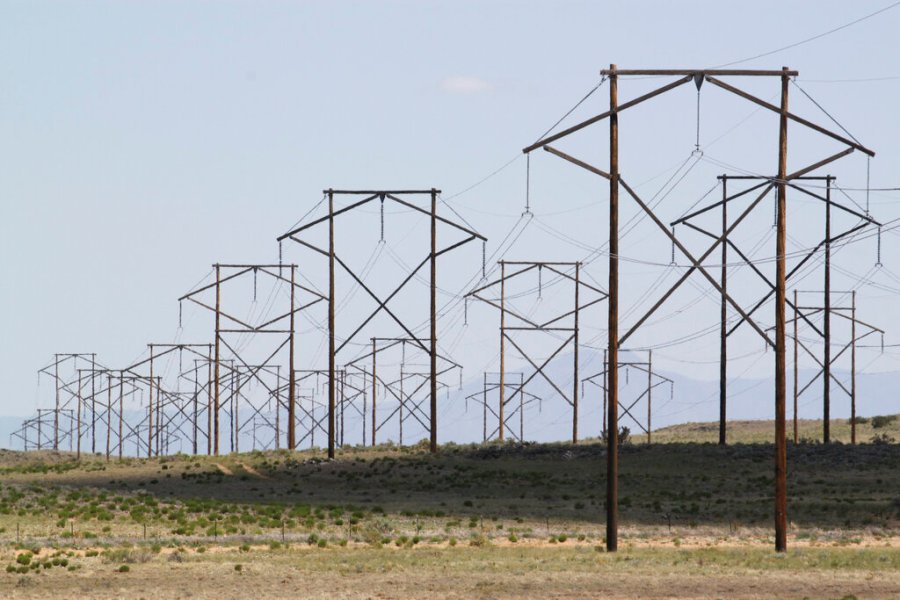

COLORADO SPRINGS — Colorado Springs Utilities (CSU) said it may be difficult to meet electric demands due to a limited energy supply not only in Colorado, but nationwide.
According to CSU, threats of rolling blackouts and brownouts are making headlines across the country because of extreme heat forecasted in Texas as well as drought impacts on hydroelectric generation in the West.
Electronics, lighting and appliances contribute to about 26% of Colorado household electricity use, says CSU. However, cooling and heating systems come in as the largest user of electricity in most homes, accounting for more than 55% of use.
CSU stated plans to cover electric demands this summer for southern Colorado, but encourages the public to conserve energy as much as possible.
Tips to use less energy indoors this summer:
Portable ceiling fans are an efficient alternative to air conditioning.Using window coverings during the day will keep your home cooler, especially where direct sunlight comes in.Make sure ceiling fans rotate counterclockwise to push cool air down.Close windows blinds and shades to keep the sun from heating your house.Program your thermostat to 78 degrees when home and higher when away.Wait until the cooler evening hours to run large appliances.Grill outdoors instead of turning on the oven.Change your cooling system’s filter every 30 days and schedule a qualified contractor to perform an annual check-up.Earn a $50 rebate on qualifying ENERGY STSR smart thermostat models.
When the weather is favorable this summer, take time to prepare your home for more efficient energy use this winter:
Weatherstrip doors and windows to reduce the amount of air loss from your home. Weather stripping comes in a variety of shapes, sizes, and materials, so be sure to pick the right type for your project.Schedule window and door replacements if needed.Caulk the exterior of your home where siding or trim joins the masonry or siding. This is usually at the corners or walls, and where the siding overlaps the foundation.Look for cracks, gaps and holes around interior and exterior doors, window frames, walls and vents.Look for gaps around exterior and interior walls around sinks, outdoor facets cable television, telephone lines and where natural gas pipes or electrical lines enter the house.
By using energy wisely, the public will not only be more efficient with managing bills, but also help the entire system by offsetting peak demands, CSU says.