
(PUEBLO, Colo.) — Chile farmers say Pueblo can expect this year’s chiles to be bigger and sweeter after all the spring rain in recent months.
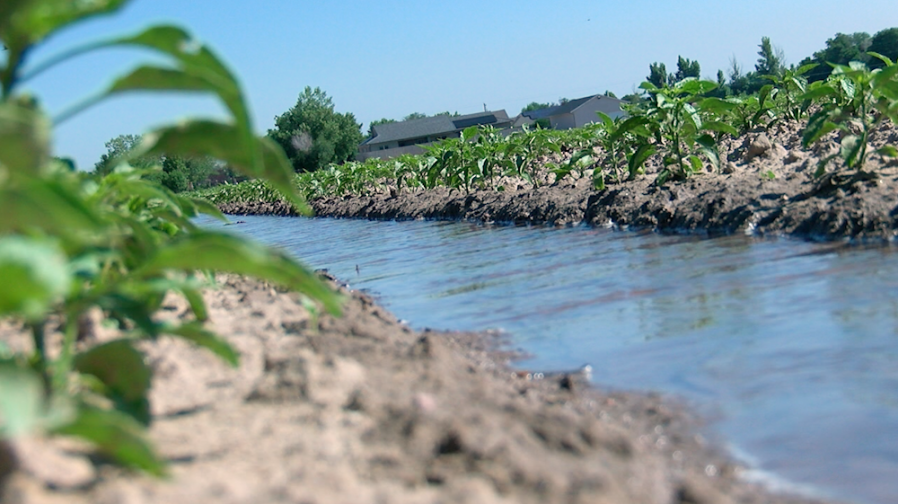
Pueblo chiles are thriving after rainstorms caused flooding in parts of town, according to Milberger Farms. The extra water coming at just the right time when the farm was receiving 40% less water than average from the Arkansas River Basin, their main water source.
“That’s been a good and bad thing…,” said Dalton Milberger, Co-Owner of Milberger Farms. “The Chiles loved it. They’re nice, beautiful, healthy, dark green… made it a little tough for us to maintain them – hoeing weeds out… but overall, they are very happy, very healthy.”
Milberger said he expected a tough year for getting his chiles enough water.
“We weren’t predicted to get a whole lot of ditch water just based on our valley’s snowpack… we were almost getting behind… It helped catch us up, got that sudden moisture back in the ground,” Milberger stated.
Pueblo and the rest of Colorado can expect bigger and sweeter surprises around mid-July from all the rain and cooler weather.
“We haven’t had the 90-degree days every day for the last three weeks. When that happens, everything from peppers to squash all tend to have a little bit more sugar in them,” said Milberger.
All that’s left to do before the chiles are ready to be processed is maintaining the field. Milberger said he’s been busy taking out all the weeds after staying out of the field for a few days to let it dry.
“We’ve been very busy on the tractors cultivating, hoeing, just trying to catch back up with the weeds… They seem to grow a lot faster than all of our other crops,” Milberger said.
What does concern chile farmers like Milberger is hail, which can devastate the crop and its potential profits.
“It’s pretty much like taking your entire year’s paycheck and throwing it in the trash,” said Milberger. “That’s what it does to us. That’s how it feels.”
Milberger Farms has been serving Pueblo since 1986, providing about 500,000 pounds of frozen chiles every year. The farm was only five acres when Milberger’s father started it as a sophomore in high school. Now, the family-run farm is about 400 acres, supplying chiles and other goods to restaurants and grocery stores like Whole Foods.