
(COLORADO) — The seasons have officially changed, and southern Colorado has already seen its first freeze and frost of the year this past weekend. As temperatures continue to drop, you’ll often hear meteorologists talk about a “freeze” or a “hard freeze,” but what exactly is the difference?
At first glance, the difference seems simple: it’s just a few degrees apart. A freeze happens when temperatures fall to 32 degrees or below, while a hard freeze occurs when temperatures drop to 28 degrees or below. But there’s more behind those numbers than just how cold it feels. The difference actually comes down to plants and how they respond to freezing temperatures.
At 32 degrees, water freezes, but plants can often survive a short freeze. That’s because not all the moisture inside their cells freezes solid. Sensitive plants might get nipped by frost, but many can recover once temperatures warm back up. That’s why we typically remind folks to bring in sensitive plants or cover them up when a freeze is in the forecast.
However, when temperatures reach 28 degrees or below, the cold becomes much more damaging. Ice crystals start to form inside plant cells, which leads to irreversible damage. Once that happens, plants can’t recover, and that’s what marks the end of the growing season.
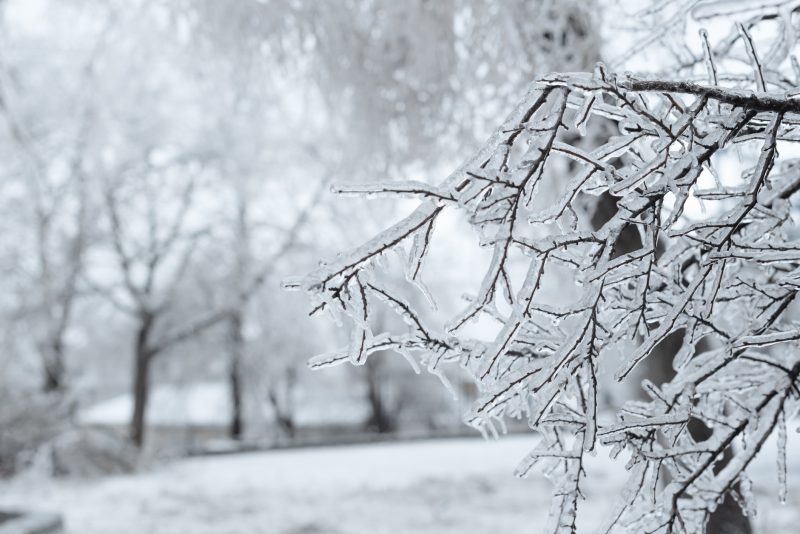
A freeze can damage tender vegetation and bring frost to car windshields, lawns, and rooftops. But a hard freeze can take things further, leading to burst or damaged pipes if they’re not insulated, harm to outdoor plumbing and irrigation systems, and dangerously cold conditions for pets left outside overnight. It’s a good reminder to protect your plants, wrap exposed pipes, and bring pets indoors when hard freeze warnings are issued.
Cold is cold, whether it’s a freeze or a hard freeze, and you’re going to feel it. But knowing the difference helps you understand what needs to be protected and when to take action. So the next time we mention a hard freeze warning, think of it as the signal that the growing season is over and that it’s officially time to bundle up for the colder months ahead.