
DENVER (KDVR) — The U.S. Department of Agriculture has allowed Colorado to exempt sugary beverages and soda from being purchased with Supplemental Nutrition Assistance Program funds.
The announcement was made on Monday, following the state’s submission of the waiver request on May 13. The waiver will take effect in 2026, according to a release from the USDA.
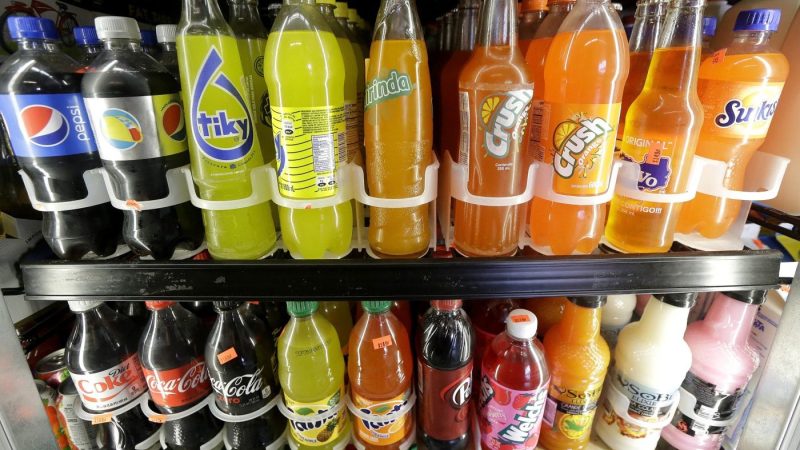
The SNAP waiver is designed to bring a focus on healthy eating, according to Colorado Governor Jared Polis. The waiver changes what foods can be purchased through SNAP. Beneficiaries can still purchase milk-based drinks and 100% juice drinks with their SNAP benefits, but sweetened beverages, such as soft drinks with sugar or artificial sweeteners, will be excluded.
The waiver specifically excludes sugary drinks with at least 5 grams of sweetener per 12 ounces, and the governor’s office emphasized that this waiver will not limit the purchase of “any milk-based drinks, or baby formula.”
In a statement, Polis called Colorado “one of the healthiest states in the nation” and noted that its 24.9% obesity rate is among the lowest of the 50 states. He called the rate “too high” and said it “endangers and shortens the lives of too many Coloradans.”
“Today’s waiver is a big step towards improving the health of Coloradans, and reducing obesity rates, diabetes, and tooth decay,” Polis wrote in his announcement. “The Supplemental Nutrition Assistance Program is designed to support the nutritional needs of those struggling to put food on the table, and this waiver will help to ensure that more Coloradans participating in SNAP have access to healthy foods.
“Because many local grocers make stocking decisions in part based on SNAP eligibility, I’m confident that this waiver will also help reduce food deserts in Colorado by reducing shelf space for soda and increasing it for other nutritional food products eligible for SNAP,” Polis continued. “We also look forward to USDA approval of two additional waivers requested by Colorado to expand choice and further boost access to healthy, convenient foods for families across our state.”
Colorado cities previously took action against sugary drinks
This is not the first action taken in Colorado against sugary drinks. In February 2024, 16 restaurants in Louisville removed sugary drinks from kids’ menus in an effort to combat childhood obesity after Boulder County declared the issue a public health emergency. Denver passed a measure in 2024 as well, requiring water or unflavored milk and milk substitutes to be listed as the free option in a kids’ meal.
“I’m proud that Colorado has stepped up to make sure nutrition is prioritized,” said Colorado Department of Human Services’ Executive Director Michelle Barnes in the governor’s announcement. “SNAP is a vital program and serves as a lifeline for hundreds of thousands of Coloradans. Healthy, nutritious food is an important part of any family’s health and wellbeing.”
Colorado’s SNAP waiver was approved by U.S. Secretary of Agriculture Brooke Rollins on Monday in connection with waivers in West Virginia, Florida, Louisiana, Oklahoma and Texas. The USDA said in a release that before the waivers were approved Monday, “SNAP recipients could buy anything except alcohol, tobacco, hot and prepared foods, and personal care products.”
“For years, SNAP has used taxpayer dollars to fund soda and candy—products that fuel America’s diabetes and chronic disease epidemics,” said Health and Human Services Secretary Robert F. Kennedy in the USDA’s release. “These waivers help put real food back at the center of the program and empower states to lead the charge in protecting public health. I thank the governors who have stepped up to request waivers, and I encourage others to follow their lead. This is how we Make America Healthy Again.”
Rollins pointed to President Donald Trump’s “Make America Healthy Again” initiative and applauded his cabinet for taking action in that direction.
“It is incredible to see so many states take action at this critical moment in our nation’s history and do something to begin to address chronic health problems,” Rollins said. “President Trump has changed the status quo, and the entire cabinet is taking action to Make America Healthy Again. At USDA, we play a key role in supporting Americans who fall on hard times, and that commitment does not change. Rather, these state waivers promote healthier options for families in need.”
The other two waivers Colorado is seeking would let SNAP beneficiaries purchase hot prepared foods from grocery stores, such as rotisserie chickens, and “streamline the process” to accept SNAP benefits for farmers’ market vendors.
Additionally, a bill Polis signed into law in May seeks approval from the USDA to allow SNAP recipients to use their benefits at participating restaurants.