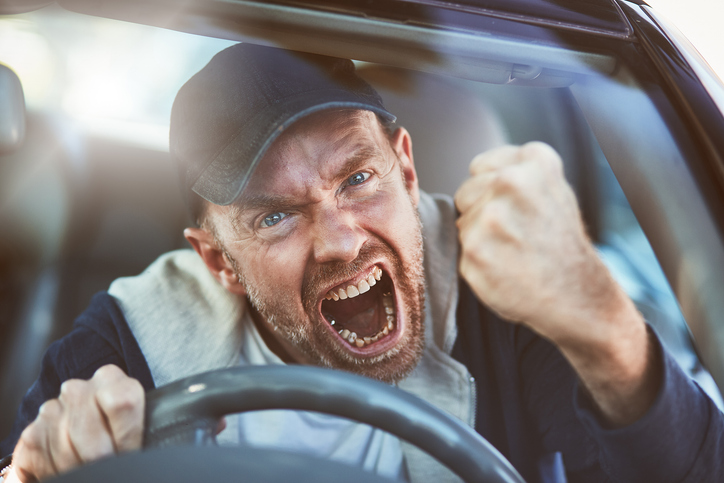

(COLORADO) — Every driver has experienced the infuriating moment when an aggressive driver cuts them off or makes an unsafe lane change. It’s difficult not to react with high emotions, but the Colorado State Patrol (CSP) is reminding drivers that how they respond can either restore a safe environment or increase the risk to themselves or surrounding people.
“There are several reasons that drivers may cut another person off. A person could be distracted, driving aggressively, or miscalculate the distance between vehicles,” stated Col. Matthew C. Packard, chief of the Colorado State Patrol. “Despite the frustration it causes, the reason doesn’t matter at that moment. Instead of reacting, create distance and space between you and that driver. You matter more than any real or perceived affront.”
CSP said their data showed that in 2024, over 575 fatal and injury crashes making aggressive driving the top cause for incidents investigated by troopers. The peak time for these crashes was between 2 p.m. and 5 p.m., though they occur consistently throughout every day of the week.
“If someone cuts you off, the worst thing you can do is create a new hazard by reacting out of anger or frustration,” stated Chief Packard. “Don’t escalate the situation. It’s very possible that the initial incident was never about you and you can regain control of the situation by putting space between you and that driver.”
Drivers must wait for a gap in the traffic to make a lane change, leaving a safe distance between vehicles. Once there is an opening, the driver should turn on the signal and check all mirrors and blind spots before moving into the lane safely and smoothly. Aggressive lane changes can cause crashes when they don’t allow the other driver enough time to react.
When encountering an aggressive driver who puts others at risk, don’t react or try to teach them a lesson. Avoid them by getting out of the way, don’t make eye contact or indicate disapproval, and contact CSP as soon as safely possible by pulling over and calling *277 (*CSP). Be prepared to describe the offending vehicle, license plate number, location and direction of travel, driver description, and the behavior of the driver.