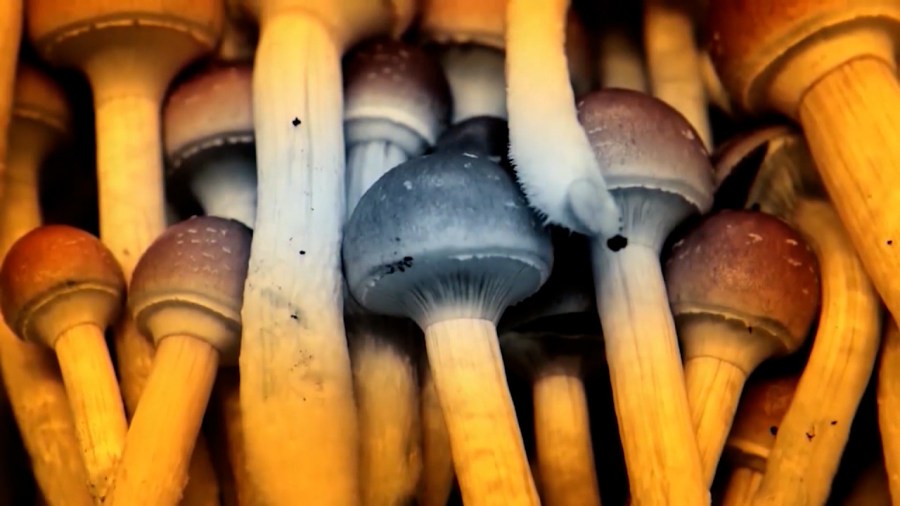

(COLORADO) — Colorado is about to become the second state in the nation to offer regulated access to psychedelic therapy. Coloradans passed the “Natural Medicine Health Act” in 2022, paving the way for access to psilocybin, but it’s taken years to get all the details worked out.
Starting in 2025, the state will allow psilocybin, more commonly known as “magic mushrooms,” to be administered in healing centers across Colorado.
Researchers have found that psychedelic therapy involving psilocybin can bring relief to people struggling with mental health who have not found success with other treatments or medications. The Healing Advocacy Fund said it is excited about what this could mean for Coloradans who are struggling.
“The legalization of psychedelic therapy in Colorado is a game changer for therapists like myself who are constantly searching for more ways to help our clients heal from debilitating conditions like depression, anxiety, addiction, and PTSD, ” said Taylor West, Executive Director of Healing Advocacy Fund.
Beginning in January, Colorado will be the second state to offer regulated use of magic mushrooms, and The Healing Advocacy Fund has been tasked with rolling out the guidelines.
“It’s no secret that our nation and our state are facing a persistent mental health crisis, and it’s time to embrace innovative treatments that can help make a difference,” said Jessica Campbell, Arapahoe County Commissioner.
All patients are required to pass a safety screening before being approved for the therapy.
“Certain mental health conditions like schizophrenia, schizoaffective disorder, are believed to potentially increase risk for consuming psilocybin, and so those are the types of things that you’re going to want to screen for in this required safety screen,” said Tasia Poinsatte, Colorado Director of The Healing Advocacy Fun.
All patients also have to complete a four step program–Assesment, Preparation, Administration, and Integrations.
“This is not happening without this supervised structure in place,” added Poinsatte.
Additional safeguards include a minimum of three to five hour sessions.
“The sessions could go longer depending on the individual person’s experience, and they do need to last as long as that person is still feeling the effects presented by them,” said Poinsatte.
Other rules include a predetermined safety plan to ensure support for the patient before and after the session. Age restrictions and the responsible storage of the medication is also in place.
“10 training programs have been approved by the State of Colorado and are currently offering training to future facilitators and clinical facilitators,” said Poinsatte.
In order to become a facilitator of the drug, the state requires 150 hours of coursework followed by a required 40 hours of supervised in-person practice, 50 hours of consultation, and basic life support training along with understanding dosage guidelines.
“Having psychedelic therapy as a new tool in our toolbox is monumental for mental health care in Colorado. This program is geared toward helping therapists like myself offer research-backed psychedelic therapy to our patients in a safe and supportive setting,” said Mikki Vogt, Professional Councilor and Addiction Counselor.
Even though Coloradans approved the use of psilocybin, some local governments are trying to find ways to keep it out of their communities. On Tuesday, Dec. 10, the City of Colorado Springs will vote on the second reading of a proposed ban, which would make it harder for healing centers to open in the city.