
(COLORADO) — The U.S. Postal Service (USPS) and the U.S. Postal Inspection Service (USPIS) are warning individuals of romance scams ahead of Valentine’s Day.
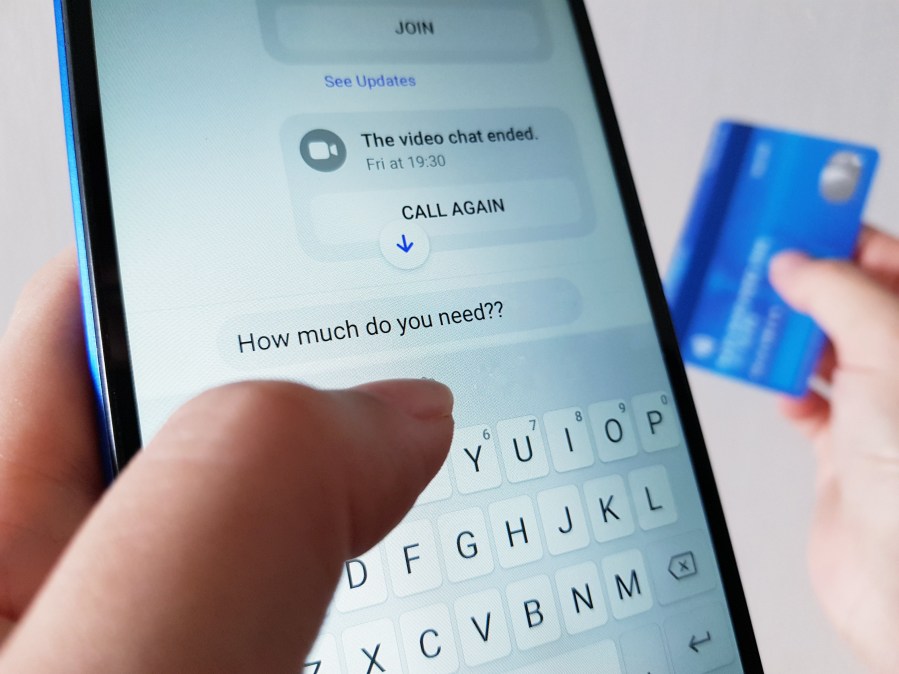
Romance scams are a deceptive form of fraud that prey on individuals seeking companionship. These scams often start online but escalate to requests for money or valuables sent through the mail, leading to financial and emotional losses for the victims.
Scammers create fake identities, often using stolen photos and fake personal details. They cultivate an online relationship over weeks or months and build trust through social media, dating apps, or email and pledge their love early on according to USPS.
Once trust is established, they fabricate urgent financial needs such as a medical emergency, travel, or business issues to ask for money. Victims are pressured into sending cash, checks, wire transfers, or gift cards, making it difficult to recover once the fraud is detected.
“Protecting the sanctity and integrity of the mail is our top priority,” said USPIS Chief Postal Inspector Gary Barksdale. “This includes protecting customers from mail-related crimes, including fraudulent schemes like romance scams. Public awareness is critical in stopping these criminals before they cause harm.”
USPS advises individuals to protect themselves by:
Never send money, checks, gift cards, or personal finance information to someone you have not met in person.
Being cautious of online relationships, especially if they escalate quickly.
Look for inconsistencies in the person’s profile and the information they share. Keep your personal information private.
Be suspicious of requests for secrecy or urgent financial help.
If you think it’s a scam, cut off communication immediately and report it.
Any individuals who believe they or someone they know have been targeted by a romance scam involving the mail, are asked to report it to the USPIS at uspis.gov/report. Victims should also notify their local law enforcement agency and the Federal Trade Commission at reportfraud.ftc.gov.