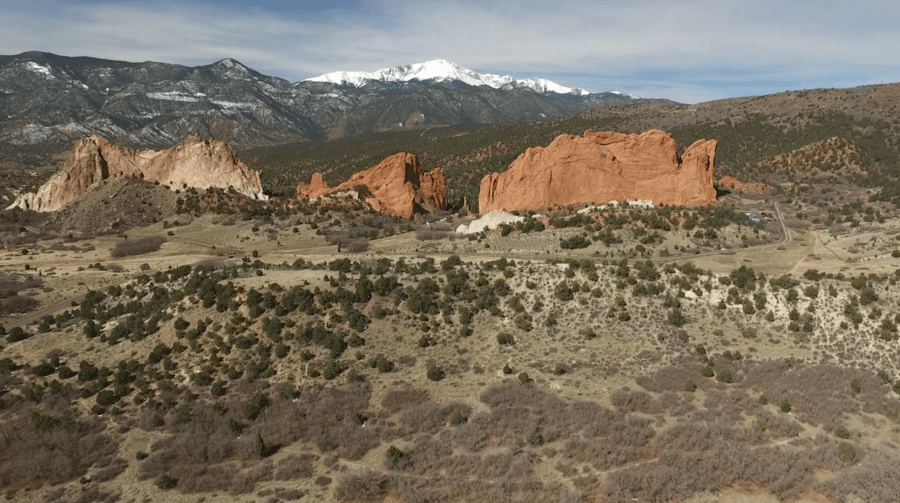

(PIKES PEAK REGION, Colo.) — Colorado sits at a higher elevation than much of the country, and with that elevation, comes a much higher risk of altitude sickness and skin cancer. Hiking Expert, Bob Falcone, also known as Hiking Bob, shared advice with FOX21 News for enjoying Colorado’s mountains.
Hiking Bob said people visiting the Pikes Peak Region will likely experience a few things they are not used to especially if they come from a lower elevation.
The air is drier in Colorado, which Hiking Bob said means your sweat evaporates much quicker, advising that hydration is extremely important when visiting the area.
The density of oxygen is much lower at higher elevations, which means there is less oxygen for people to breathe in. While those who live here year-round have acclimated, the lower oxygen can cause, even for healthy people, a harder time breathing. Hiking Bob suggests visitors give themselves a few days to acclimate before doing anything strenuous.
Hiking Bob said if you are out hiking or even just visiting the city it is a good idea to recognize the effects of altitude sickness as it can affect anyone at any time. Symptoms include:
Nausea
Vomiting
Headaches
Dizziness
Fatigue
Loss of appetite
If you start to experience symptoms, Hiking Bob said the best short-term remedy is to get to a lower elevation as quickly as possible. With mild cases, getting to a lower altitude and hydrating will remedy symptoms quickly. Extreme cases of altitude sickness can cause fluid to build up in the lungs and brain and can be fatal. It is advised to not ignore the signs of altitude sickness and be prepared to seek medical care right away, including calling 911 for help.
When hiking or cycling, Hiking Bob said it is important to be honest about your abilities. Hiking up Pikes Peak for example is 12 miles one way and an 8,000-foot gain in elevation.
“Even people who have an athletic lifestyle at home will likely encounter some difficulties at these elevations if they don’t take the time to acclimate. I’ve lived here for almost 33 years, and there are some days when I feel the effects of the elevations here,” said Hiking Bob.
The higher elevation means less atmosphere to filter out the sun’s UV rays. Hiking Bob said Colorado has a higher rate of skin cancer than other parts of the country. He advises applying sunscreen liberally and often and wearing sunglasses that protect your eyes from UV-A and UV-B rays. A wide-brimmed hat to reduce the effects of direct sunlight is also recommended.
Weather is also dangerous at higher elevations, thunder and hail storms are not uncommon and Hiking Bob says are dangerous, especially above the tree line. The rain is also very cold and if you are caught in a storm without raingear it is easy to become hypothermic even in the middle of summer.
Hiking Bob suggests bringing plenty of water and snacks for your trek through Colorado’s beautiful scenery as hiking, running, or cycling at Colorado’s elevations can take energy quickly.