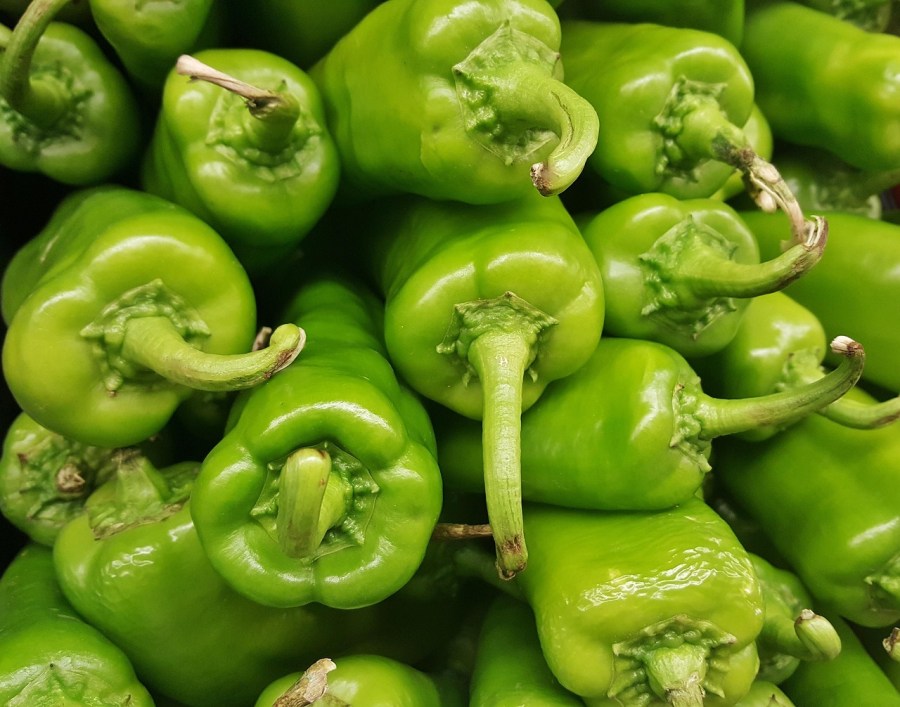

(SOUTHERN COLORADO) — Southern Colorado’s harvest season is heating up this year! Pueblo Chiles, a staple crop and regional icon, are now in peak harvest, and the process behind getting them from field to plate is a mix of skill, science, and weather.
Colorado State University researcher Kristi Bartolo explained that farmers typically plant chile peppers between mid-April and mid-May. Harvest begins in early to mid-August, but unlike many other crops, Pueblo Chiles are still largely hand-picked. Skilled crews carefully examine each pepper, selecting only those that meet both farmer, customer, and market standards while removing anything that isn’t fit for sale.
Beyond farming techniques, weather plays a major role in shaping the flavor profile of each harvest. According to Bartolo, the spice level of a pepper is tied to environmental stress from the summer’s weather conditions, primarily a lack of water and high heat. Hot, dry summers generally yield chiles with more heat and higher capsaicin levels, while cooler or wetter conditions produce milder flavors.
This year, the crop is trending on the milder side. Last year’s extreme heat and dryness resulted in peppers with much more kick, but this season’s comparatively moderate weather has led to a less spicy yield.
For chile lovers, that means every bite carries not just the flavor of Pueblo’s fields, but also the story of the summer’s weather, and the work of harvest crews whose expertise ensures the peppers make it to market at their best.