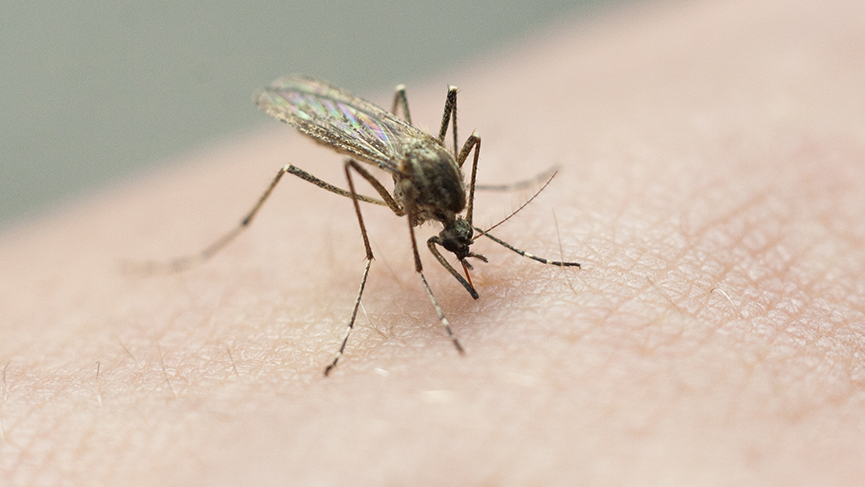

(EL PASO COUNTY, Colo.) — El Paso County Public Health announced on Monday, Aug. 19 that a person living in the area has tested positive for West Nile virus, making it the first human case in El Paso County this year.
West Nile virus spreads from infected mosquitoes biting people and other animals. Mosquitos breed in stagnant water, and due to heavy rain occurring throughout El Paso County recently, mosquito activity will likely increase over the next few weeks. In Colorado, most human cases are reported in August and September.
Most people infected with West Nile virus don’t have any symptoms. According to Public Health, one in five people infected will have flu-like symptoms, which usually begin two to 14 days after exposure. Serious, potentially neurological illness occurs in fewer than one in 100 infected people. Those over the age of 60 and people with certain medical conditions such as diabetes or kidney disease are at a greater risk of serious illness.
Public Health suggests the following to protect yourself against West Nile virus:
Use an EPA-registered insect repellent, such as DEET, picaridin, or oil of lemon eucalyptus. The effectiveness of non-EPA-registered insect repellents is unknown, including some natural repellents.
Limit time outdoors during the times of day when mosquitoes are most active, typically around dusk and dawn.
Wear loose-fitting, long-sleeved shirts and pants, especially when outdoors around dusk and dawn.
Use screens on windows on doors. Repair holes in screens to keep mosquitoes outdoors.
Frequently drain standing water from areas around the house such as bird baths, portable pools, tires, planters, pet water dishes, and children’s swimming pools/ Mosquitoes can lay eggs and grow in standing water.
Treat standing water such as ponds, ditches, clogged rain gutters, flowerpots, plant saucers, puddles, and buckets with larvicide doughnuts, which can be purchased at hardware stores. Larvicide doughnuts use a naturally occurring type of bacteria to control mosquitoes.
In 2023, El Paso County had 51 reported West Nile virus cases. To learn more about West Nile virus, click the link above.