
(COLORADO SPRINGS) — The nation is eagerly awaiting the results of an investigation into what led two aircrafts to colliding in Washington D.C. on Jan. 29, killing 67 people. It’s no secret that Colorado Springs has a lot of planes in the sky, and now some are wondering how air traffic is managed in our region.
There is a lot happening in the airspace above the Pikes Peak Region and air traffic control works hard to avoid collisions. Below is a photo of the flights above Colorado Springs from Tuesday afternoon, Feb. 4.
The Colorado Springs Airport shares runways with Peterson Space Force Base, which air traffic controllers also monitor in the region along with the United States Air Force Academy and Fort Carson–not to mention all the traffic north from Denver International Airport.
“A lot of us have taken this pretty personal, this is bad, this is pretty horrific,” said Alan Gorski, a retired Air Traffic Controller from the Colorado Springs Airport. Gorksi describes the job as stressful, noting the industry is facing staffing shortages and issues with training.
“One minute you are sitting there working two airplanes, and the next minute Denver shutdown from a thunderstorm and they are calling you saying 65 are coming your way,” said Gorski.
He said he noticed the staffing and training issues right before he retired.
“The controllers are holding the system together right now with lack of staffing, lack of resources, and they are expected to do this job every day, regardless of the traffic,” he added.
Gorski also told FOX21 News that air traffic at Ronald Reagan National Airport and the Colorado Springs airport are similar. Both are near military installations and manage all the traffic through “letters of agreements.”
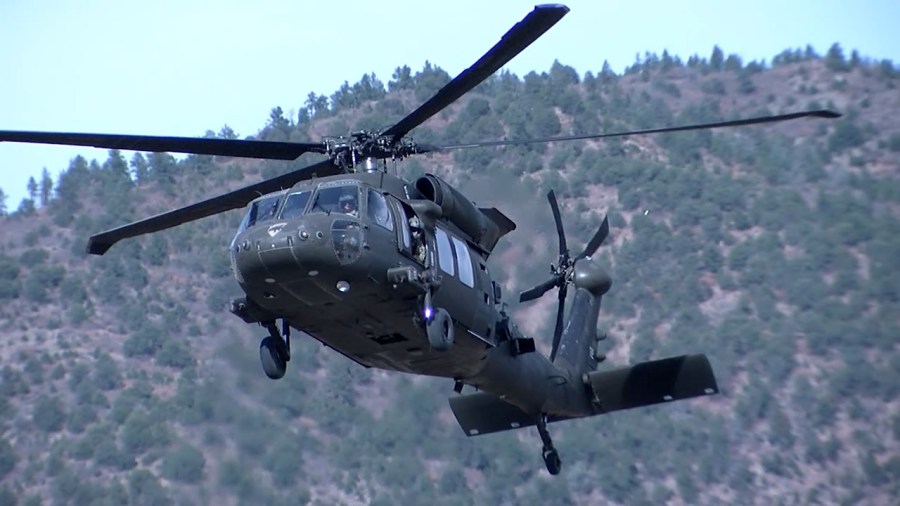
“Those letters of agreements allow the helicopters to do their thing and allows the Air Force Academy to do their thing while working with air traffic control. For example, with the Air Force Academy, the ATC has predefined routes for them, much like what we’re hearing about the helicopter routes near DCA,” he added.
Part of his job as air traffic controller was making sure commercial and military flights stayed far away from each other.
“We designed those routes back in the 90s, everything is about deconfliction. We don’t want to put anyone in the face of another aircraft. Our goal as an air traffic controller is to not allow two aircrafts to occupy the same point in space, that’s the goal. Do near misses happen? All the time, yes,” he said.
It might be years before the National Transportation Safety Board completes its investigation into the mid-air collision that took place in D.C.