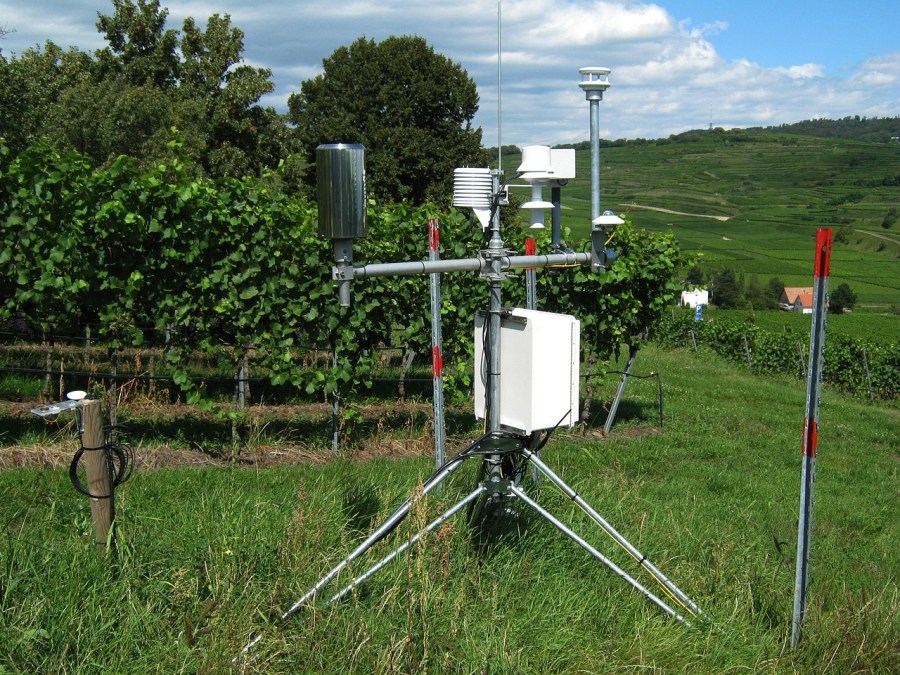

(SOUTHERN COLORADO) — As our temperatures warm, some Southern Coloradoans are getting the itch to start setting up their outdoor equipment. But before you set up your new weather station, you might want to consider setting it up in the best place to get the best results.
Here’s an example of why it is important not to put your new home weather station anywhere. A common error is your home temperature readings are about 10 degrees warmer than official readings you see on the news. Most of the time, this is due to the temperature sensor being put in a place that gets direct sun, being placed near a dark colored surface that absorbs more heat, or it is set up near a structure that is reflecting heat onto the temperature sensor. This example shows that where your weather station is can make all the difference as to what measurements you get.
Here are some tips to avoid measurement errors:
1) First, try to put the weather station where you are or where you will be. Weather stations will tell you the conditions of where it is placed and do not reflect how you will experience the weather. For example, if a sensor is placed on a roof, it will tell you the conditions on your roof, not what you would feel on the ground. Depending on how high your roof is and the weather conditions, that reading could be dramatically different than what it is outside in your backyard.
2) Second, avoid rock, concrete, any metal surfaces, roofs or dark colored surfaces because that could spike you temperature readings. Irrigated laws and any body of water should also be avoided because they will have the opposite effect on a thermometer’s reading and will make it cooler.
3) Install any instruments about two times the height of the nearest object to get it out of the shade. Any nearby structure will also influence wind readings.