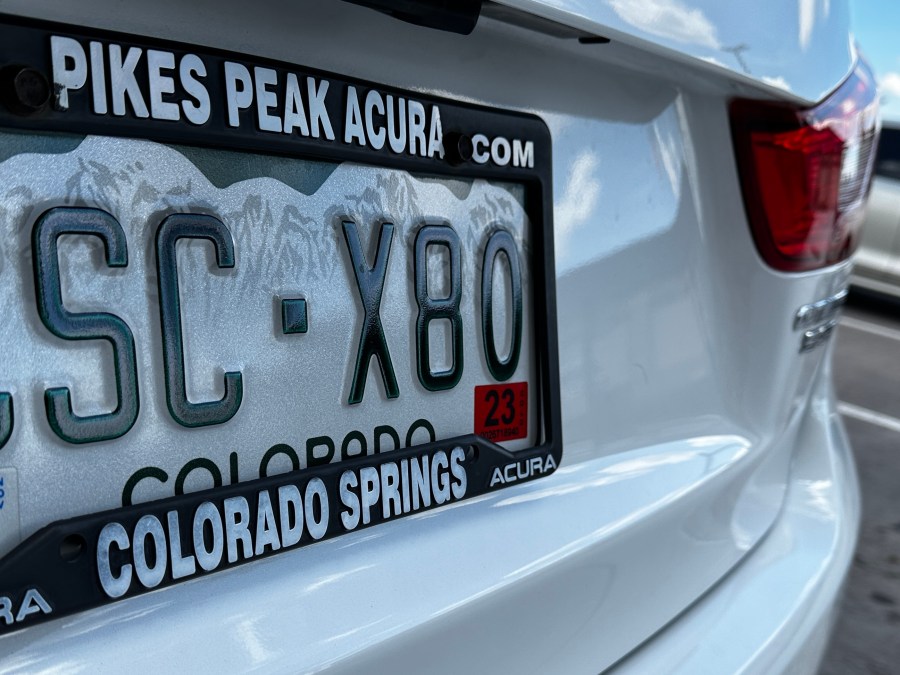

(COLORADO) — When selling your car, there are a lot of details to take care of, but one detail that, if overlooked, can cause several headaches down the road: removing your license plate.
Imagine this: you sell your old car to a private party and forget to remove your license plate. A year later, you get a notification in the mail for an overdue parking ticket connected to the old license plate in a city you’ve never visited. What do you do?
According to the Colorado Department of Motor Vehicles (DMV), a seller who fails to remove their license plates from the sold vehicle may make themselves liable for the new owner’s actions, including traffic tickets, tolls, and accidents.
Whether selling your car to a private party, a dealership, or a junkyard, the DMV states that it is the seller’s responsibility to provide the Colorado Certificate of Title, complete an odometer disclosure statement, provide an emissions inspection certificate (if required), and remove the license plates from the vehicle.
The Colorado Springs Police Department (CSPD) urges sellers not to feel pressured by the buyer to leave the license plates on the vehicle. After making the purchase, the new owner will have a grace period, typically 72 hours after purchase, in which to get the vehicle licensed.
Many people are aware that they should fill out the Report Release of Liability form after selling a car to disclose an ownership transfer and remove their liability for the buyer’s actions involving the vehicle, but forgetting to remove the license plates can lead to liability issues as well.
According to CSPD, the previous owner is not only in danger of being billed for any highway tolls or parking tickets that might be incurred, but if the license plates are on a vehicle used in a crime, such as a burglary or robbery, the police will track that plate to the original owner.
Having a bill of sale on hand for the previous car, clearly showing the date the vehicle was sold, can help you out if the police come knocking on your door. And any law enforcement agency can also access records showing whether you submitted the release of liability report, according to the DMV.
If you receive a notification of a ticket attached to your old license plate, the DMV said you can report the transfer of ownership using the bill of sale and release of liability to the company or city that issued the ticket. The issuing agency will determine what documentation it requires to review the case.
CSPD encourages previous owners to report plates as stolen with your local police department if they discover someone else has used them since the sale. This will ensure you are not held liable for any fines or criminal activity associated with the plates in the future.
Don’t know what to do with your old license plates after you have responsibly removed them? According to the DMV, regular plates should be returned to the nearest county motor vehicle office or given to a recycling service that accepts metal. Sellers with personalized plates can transfer their old plates to their next vehicle through their local DMV office.
The DMV stated, “As long as sellers handle selling a car the way it’s advised, for example, by retaining their plates, filling out the Report Release of Liability, and completing a Bill of Sale, they’ll save themselves from potential trouble in the future.” If sellers have any questions, they can refer to the Colorado DMV website, linked above.