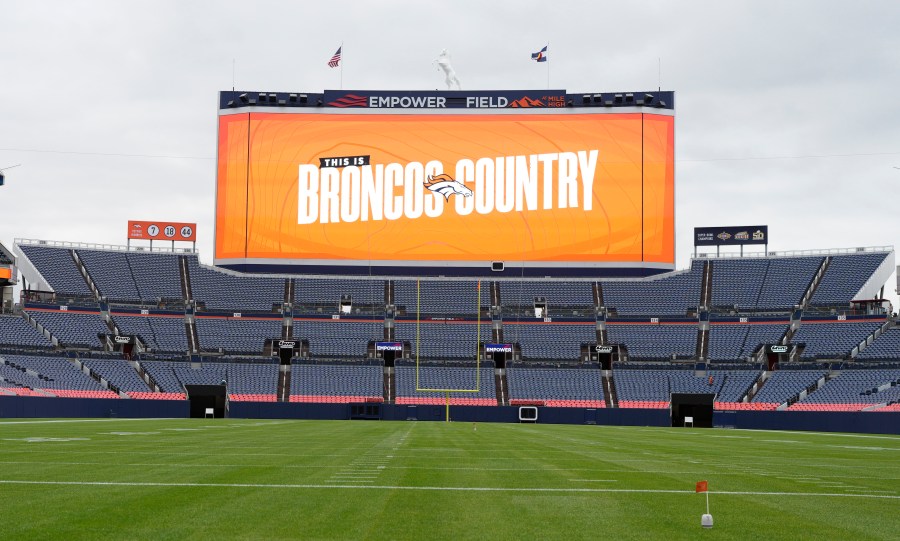

(COLORADO) – It’s football season in Broncos Country, and there’s a reason they call it “Mile High Stadium.” At 5,280 feet above sea level, Denver’s altitude doesn’t just define the city; it also gives the Broncos a unique home-field advantage that impacts both the players and the football itself.
When visiting teams come to Denver, they’re stepping into an environment that can wear them down faster. The thin air at high elevation means there’s less oxygen available, which leads to quicker fatigue and faster dehydration.
This effect is especially noticeable in the second half of games, when players are already running low on energy. To counteract the altitude, some teams will even arrive in Denver a couple of days early to try to acclimate. But no matter the strategy, the altitude almost always plays a role.
The thin air doesn’t just affect players, though; it changes how the ball moves. With less air resistance (or drag), passes can travel farther, kickoffs carry longer, and field goal attempts can stretch to incredible distances.
One famous example is Matt Prater’s 64-yard field goal in 2013 at Mile High. At the time, it set the NFL record for the longest made field goal. Denver’s conditions likely made it possible.
Studies have shown that kickers in Denver consistently outperform their peers in other stadiums. On average, the field goal range in Denver is about five yards longer than at sea-level stadiums, including both domes and outdoor venues.
But there’s a catch: just because a kick can go farther doesn’t mean it’s easier. Accuracy still matters. And the weather can complicate things, too. Wind can push the ball off target, and in cold weather, the ball hardens and becomes more difficult to kick.
Altitude is Denver’s factor, but every NFL city has its own. Miami brings lots of heat and humidity. Green Bay is known for its bitter cold. Buffalo has snowstorms that can bury the field.
Up in Denver? It’s the altitude. And it’s one more reason why Mile High Stadium lives up to its name!